
Issue 57 | 5 Minutes with Maki Takahiro, Ichimura Soba
INTERVIEW BY JACINTA SONJA / TRANSLATION & COORDINATION BY SYV BRUZEAU
PHOTOS BY JACINTA SONJA / ADDITIONAL IMAGES COURTESY OF ICHIMURA SOBA
(Interview conducted in Japanese and translated for publication)
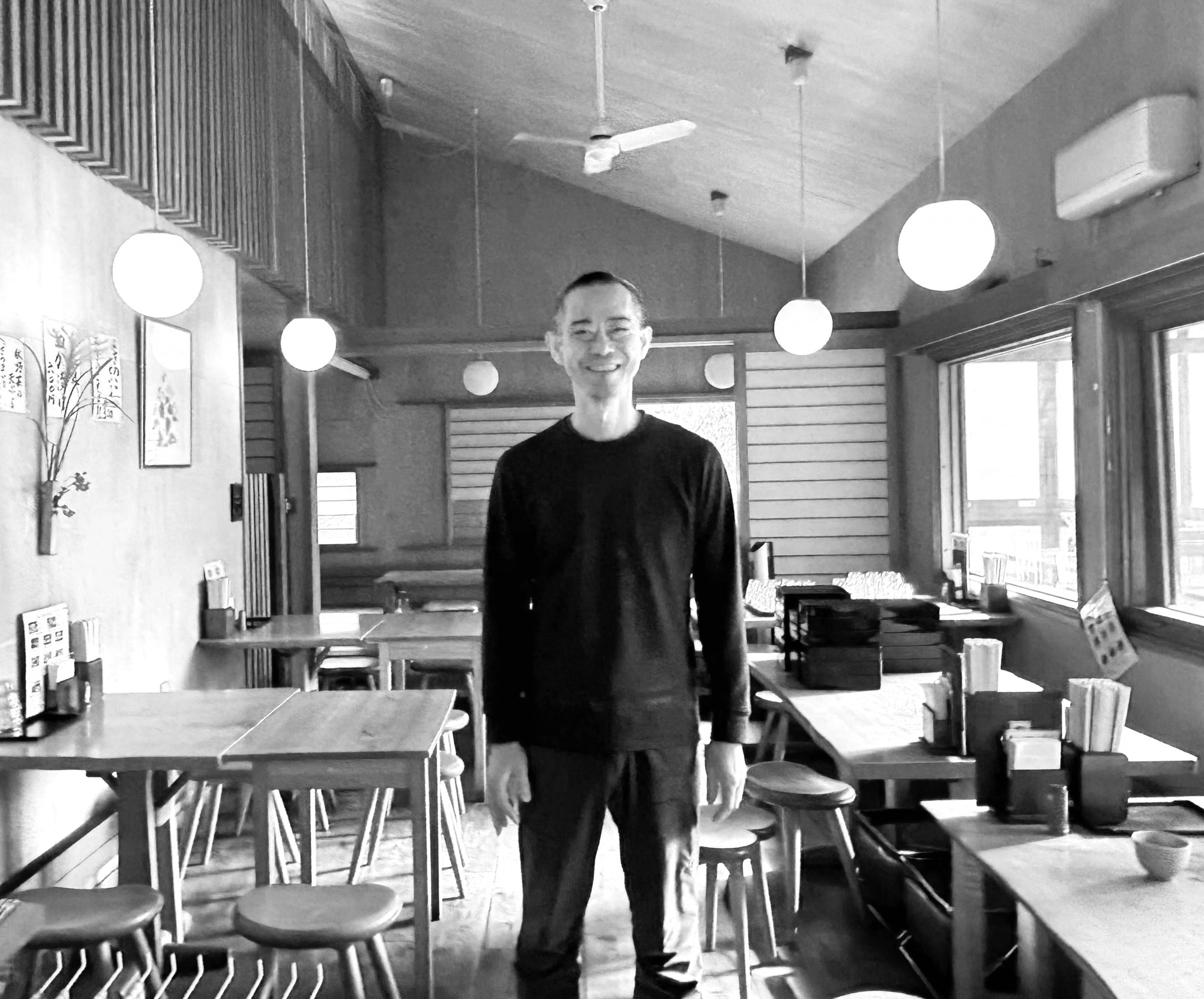
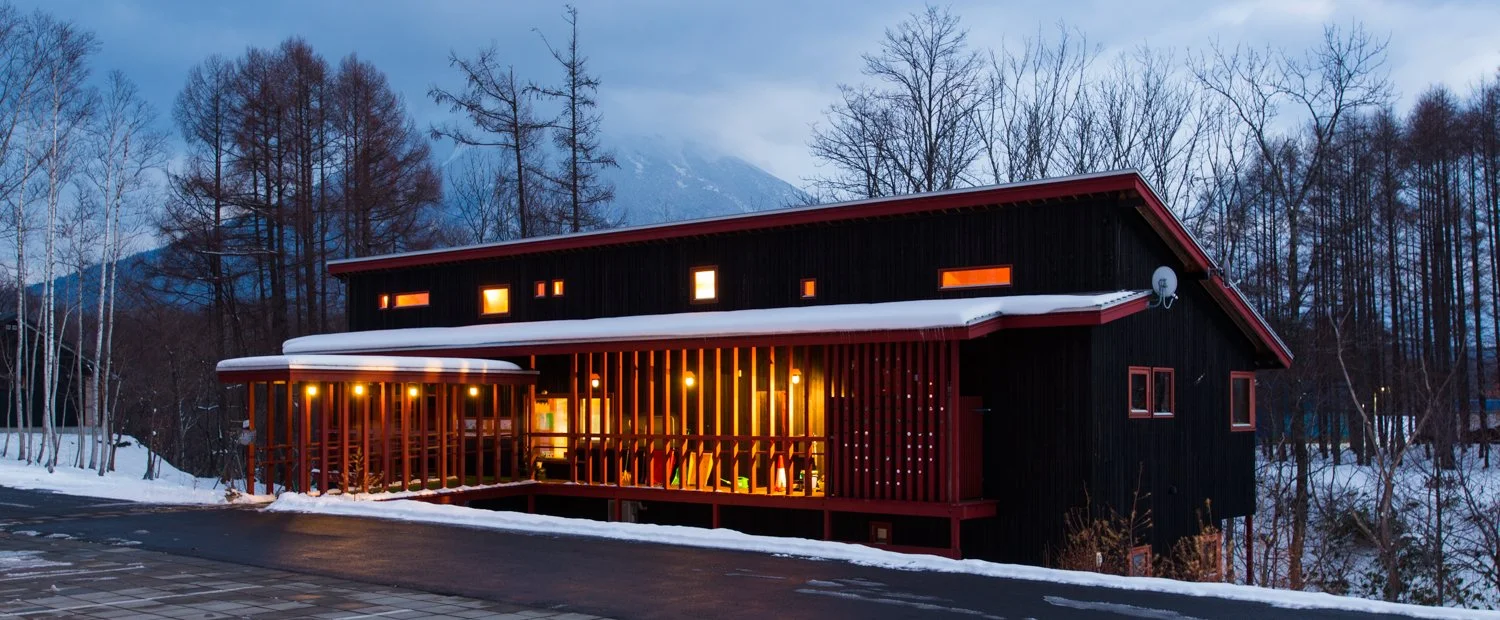
Ichimura Soba remains a steady, familiar presence in Niseko. Chef-owner Maki Takahiro carries forward the techniques he inherited from founder Ichimura-san, drawing on years of experience from his soba shop in Sapporo. In Niseko, he mills his own buckwheat flour, prepares dashi from scratch and cooks with local, seasonal ingredients. Here, he shares his thoughts on tradition, the evolution of Niseko, and what brings true flavour and integrity to handmade soba.
Ichimura Soba is known as one of the best and most popular restaurants in Niseko. Tell us a little about the background of Ichimura Soba and this new chapter.
About ten years ago, the original owner, Ichimura-san, decided to retire after many years running the restaurant. He was looking for someone who could take over and keep the shop going in the same spirit. We were introduced through mutual contacts, and he invited me to learn his style of soba-making so the tradition could continue.
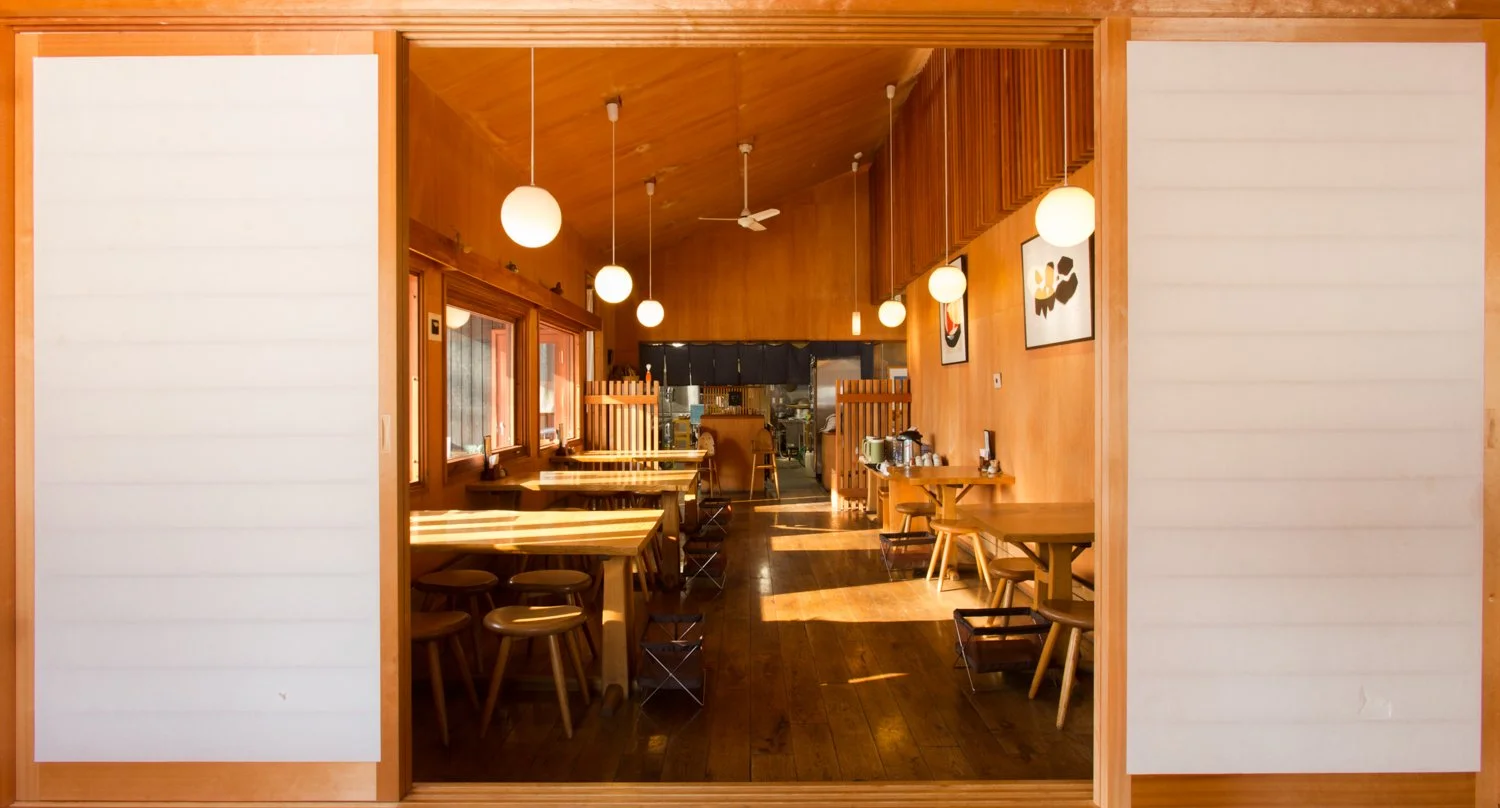
After training with him, I took over the business and the building as it is today. Ichimura Soba has long been part of the local community, and my aim is to carry it forward just as people have always known it.
What was your background like before Ichimura?
Before coming to Niseko, I ran my own Japanese lunch restaurant in Sapporo. I was already making soba there, though my method and recipe were a little different. When I took over Ichimura, I learned Ichimura-san’s approach directly from him. It felt like more than receiving a recipe; it was preserving a tradition and a craft.
What makes Ichimura Soba in Niseko unique or special to you?
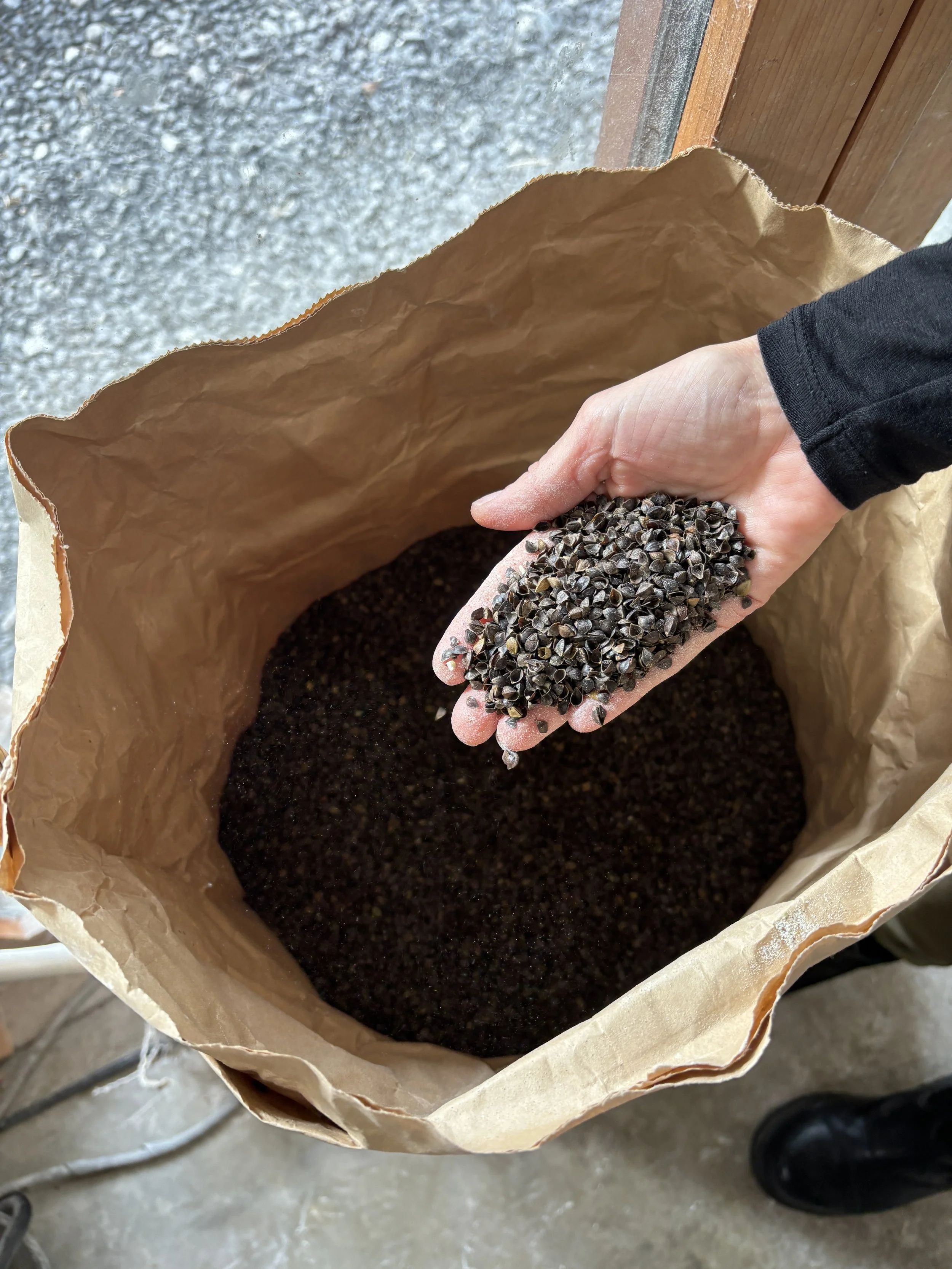
Niseko is surrounded by great produce, and everything feels fresh and alive. We get our buckwheat directly from Kuromatsunai and Rankoshi, which we mill ourselves, and we use seasonal vegetables from the area whenever possible. As much as we can, we work with ingredients grown or found locally.
Not many people know that you make everything from scratch, including the flour, the noodles and the dashi. Could you walk us through that process?
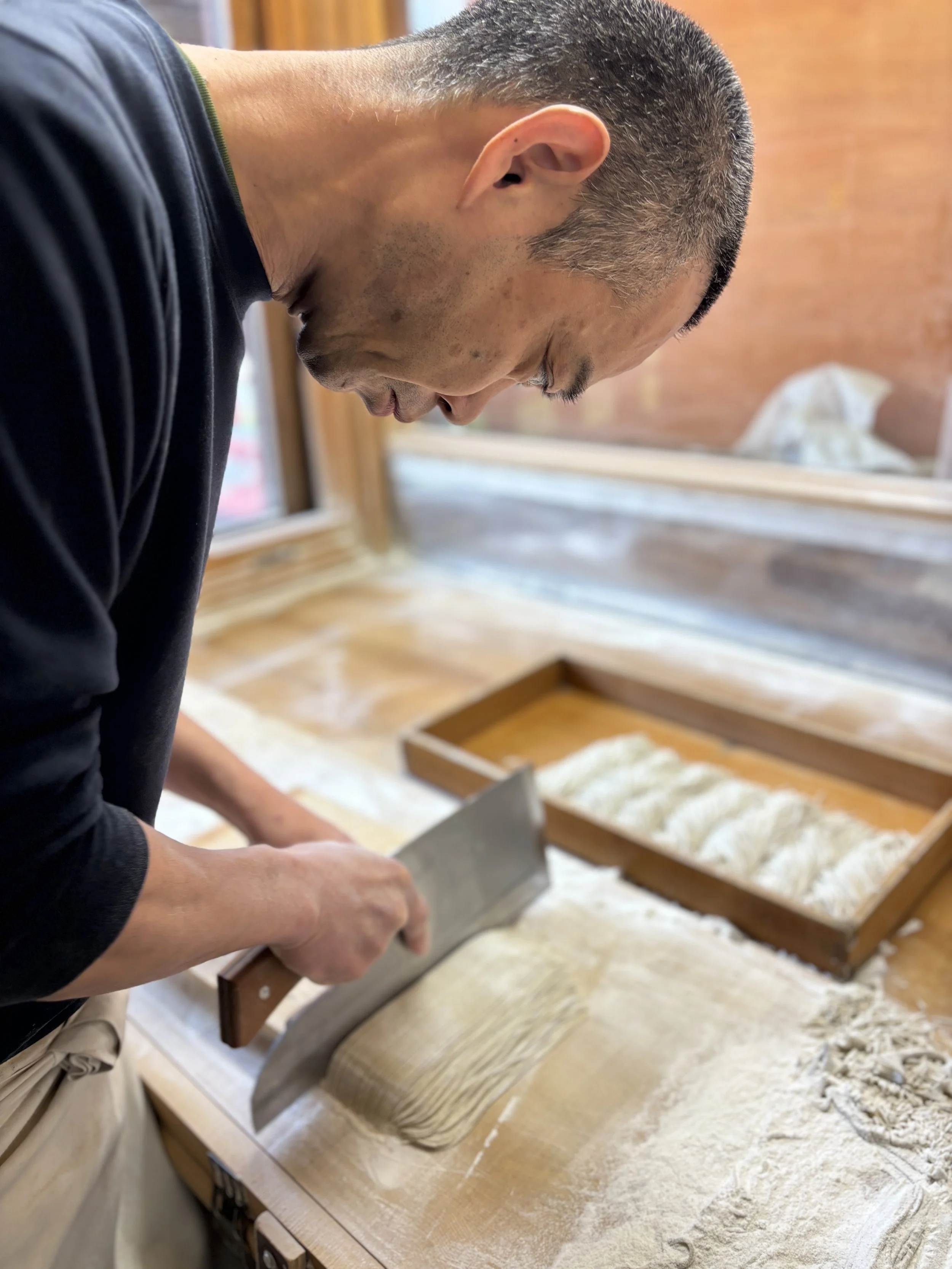
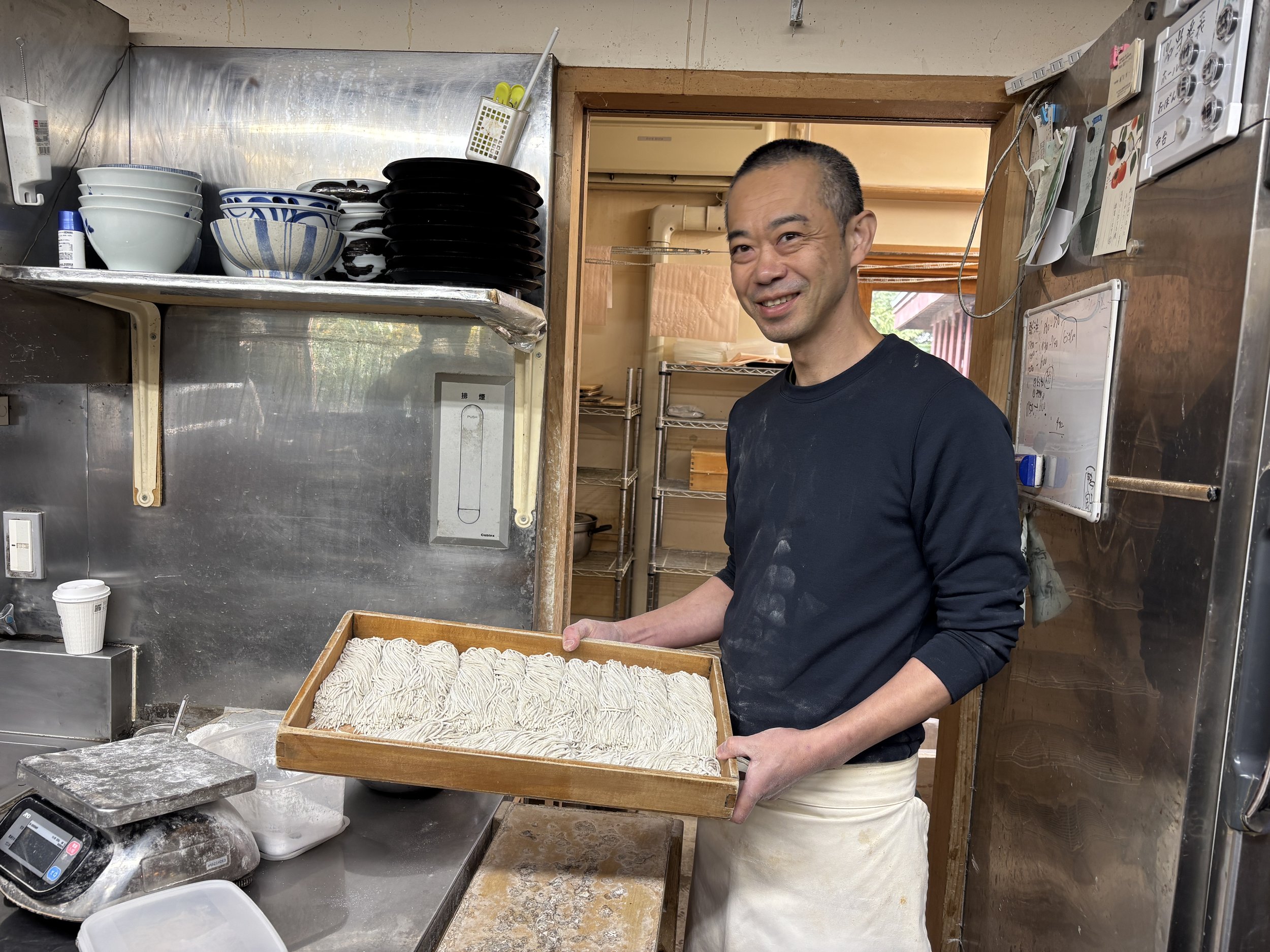
Yes, we make everything from scratch. Each morning we mill whole buckwheat, then knead the dough, shape it into a round ball and roll it out. Keeping it evenly round is one of the hardest parts, as the movement and pressure must stay consistent. After that, we fold and cut the noodles by hand. It takes strength, rhythm and full focus.
How long does this process take?
We work in batches. From milling the buckwheat to finishing the dough, one batch takes about ten hours. We make five to six batches a day, and each batch produces roughly 12 to 13 portions.
It sounds like a pretty time-intensive process. Why do you still make the soba by hand, and how does it differ from machine-made noodles?
Machines can make good soba, but handmade noodles have a softness and warmth you can taste. The dough responds to the touch of your hands. The pressure shifts slightly with your breath, your weight and your movements. That kind of feeling is something a machine cannot recreate.
Tell us about your dashi. Many say it’s the soul of Japanese cooking.
Dashi is extremely important. We use a mix of dried fish such as katsuo, mackerel and other varieties, along with kombu. Preparing it takes a lot of work because you need to clean and scrape the fish by hand before shaving it. It is labour-intensive, but the flavour is completely different when made this way – richer and more delicious. We also use fresh spring water, which adds clarity and depth to the broth.
How do the seasons shape your menu at Ichimura?
When I first took over, the menu was mostly soba. Over time, I added tempura, duck soba and a few side dishes.
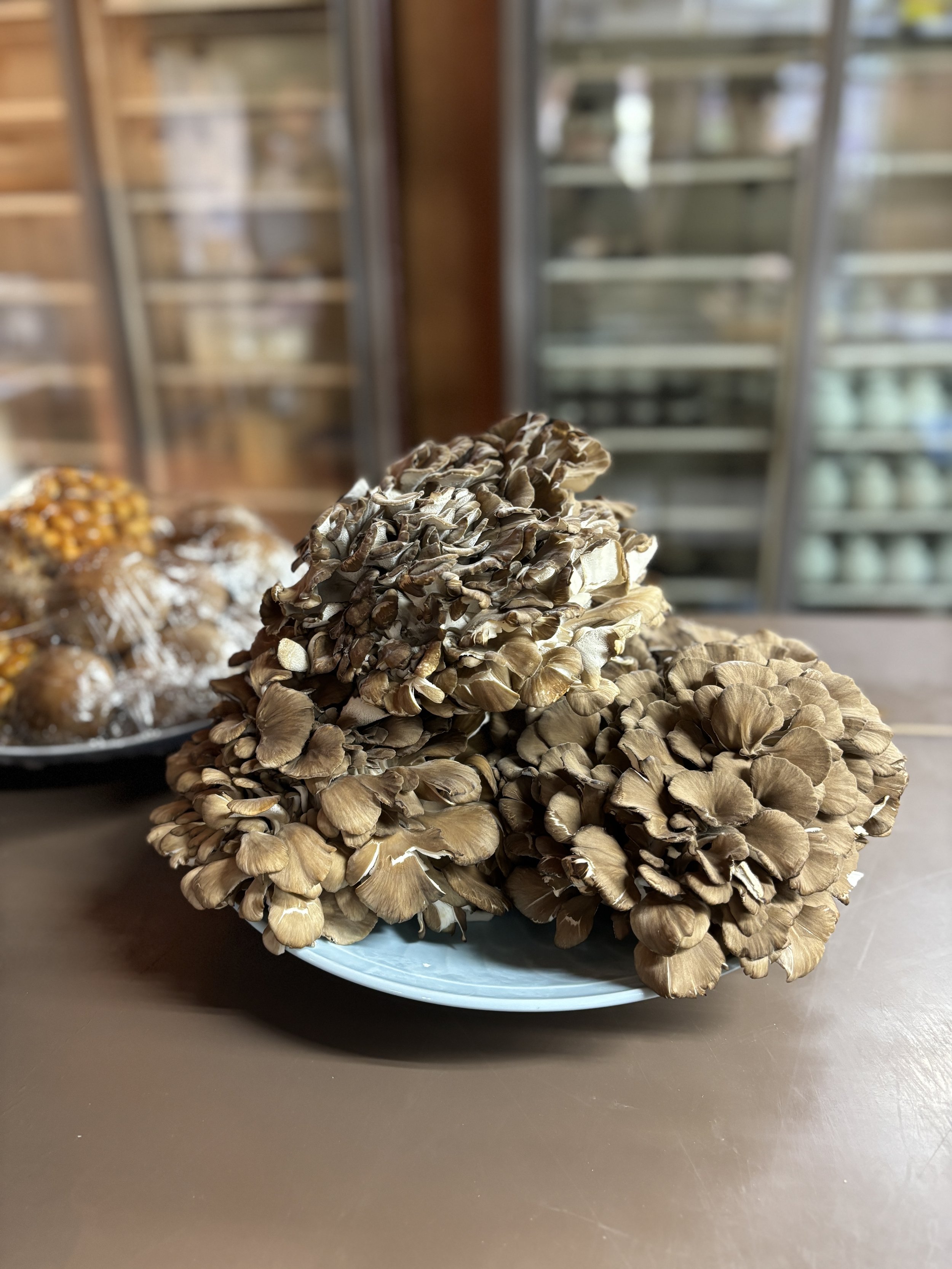
In spring, I go into the mountains to gather wild vegetables. In autumn, I forage for mushrooms, and during corn season we make corn tempura. The base menu stays the same, but the tempura and toppings change with whatever nature provides.
For someone new to Ichimura Soba, what would you recommend?
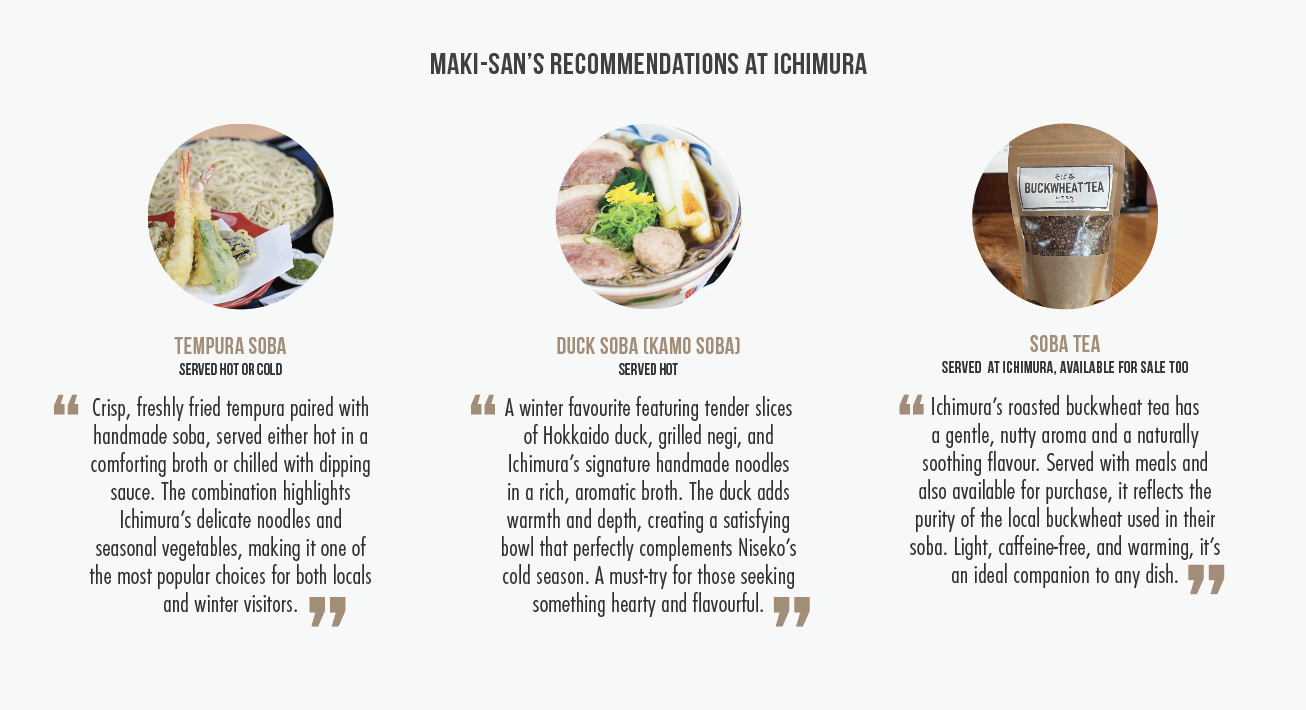
In winter, the tempura soba and the kamo (duck) soba are especially popular. We also offer a variety of side dishes and small rice bowls to go with the soba. We also serve two types of soba. Juwari soba is made from 100% buckwheat and has a firmer texture and stronger aroma. Our other soba is a special blend that is slightly gentler in flavour. It depends on personal preference, so I always suggest trying both to see which you like best.
You close when you sell out. How do you manage production each day?
We only make what we can manage properly by hand. If we produce too much, the quality drops, so we keep the amount reasonable. On busy days we might sell out earlier than expected, and when that happens we close for the day. It is always a balance between welcoming guests and maintaining our standard.
Niseko has changed dramatically in the last decade. Has Ichimura changed as well?
Ten years ago, most of our summer guests were Japanese. Now we welcome a mix of local and international visitors, especially in winter. The town has grown quickly, which brings both challenges and new energy. It also reminds me how important it is to keep our traditions and flavours steady. I have kept prices the same year-round, and we stay open through every season with the same local team.
After so many years, what keeps you passionate about making soba?
Every day is different. Even if you follow the same steps, the dough changes with the humidity, the temperature and how you feel physically. I might make “the perfect soba” only two or three times a year. The rest of the time I am learning, adjusting and improving.
Why did you choose to specialise in soba?
Soba appealed to me because of its simplicity and difficulty. With soba, there is nowhere to hide. The quality of the grain, the temperature of the water, the condition of your hands and mind all show in the noodles. I like that kind of discipline. Even after many years, it still challenges me.
What do you hope guests take away from their meal at Ichimura?
Happiness. Soba is humble, but when it is fresh and handmade, it has a life to it. I hope people can taste that and leave feeling nourished.
Thank you Maki-san!
niseko-ichimura.jp
Ichimura Soba 手打蕎麦 いちむら | Niseko Hirafu 4-jo 1-1-15, Kutchan, Hokkaido 044-0081 | hours: 11:00–14:30 (or until sold out)